N’importe qui peut prétendre faire un audit d’accessibilité numérique, alors comment faire confiance ?
L’expertise-conseil en accessibilité numérique n’est pas une profession ou activité réglementée. Dans la mesure où il s’agit d’une expertise et où on réalise des audits, on pourrait croire que le seul fait de proposer cette prestation suffit à ce que ce soit légitime. Pourtant, ce n’est pas le cas. Alors comment peut-on savoir si on fait appel à des prestataires de confiance ?
Je vous donne quelques pistes de réflexion : formations et certifications, expérience professionnelle, la façon de faire un audit, la possibilité de demander un exemple de grille et/ou rapport d’audit, tests à réaliser sur le site du prestataire lui-même.


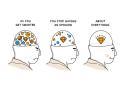
I stopped arguing with people and everything got easier
It happened because I calculated what arguments cost me, not because I don't have opinions.
Every argument offers two prizes: being right and being effective, but you rarely take both home.
So I decided to change this. I ask one honest question before I push back. I state my position once, with my reasons. And when facts won't change the outcome, I let the outcome do the teaching.
People mistake this for weakness. It takes more discipline to hold a position quietly than to defend it at all costs.
The thing is that 𝗺𝗼𝘀𝘁 𝗮𝗿𝗴𝘂𝗺𝗲𝗻𝘁𝘀 𝗮𝗿𝗲 𝗮𝗯𝗼𝘂𝘁 𝗲𝗴𝗼, 𝗻𝗼𝘁 𝗳𝗮𝗰𝘁𝘀, and you cannot beat another person's ego. They need to overcome it by themselves.
Some hills are worth dying on, but almost none are worth daily combat.
The energy I used to spend on winning debates now goes into work nobody can argue with.